Step Away From Everyday Pressures and Focus on Recovery
When substance use has become difficult to control, trying to recover while surrounded by the same routines, responsibilities, relationships, and triggers can make meaningful change more difficult.
Florida Treatment Centers at The Cape provides residential addiction treatment in Florida for adults who need a structured environment and comprehensive clinical support. Located in Port St. Joe along Florida’s Gulf Coast, our residential program gives patients an opportunity to temporarily step away from everyday demands and focus more intentionally on their health and recovery.
Treatment addresses substance use while also considering the medical, psychiatric, emotional, relational, and behavioral factors that may influence a patient’s ability to sustain recovery.
The goal is not simply to create distance from alcohol or drugs. It is to use that time and structure to understand what needs to change and begin building the skills to make those changes sustainable.
get help. start here.
Contact our admissions team and start your recovery journey at Florida Treatment Centers at The Cape
your new beginning
Starts Today
Florida Treatment Centers at the Cape provides addiction treatment and mental health care, at varrying levels of care, to all of those in need, regardless of journey.
What Is Residential Addiction Treatment?
Focused care for lasting recovery
Residential addiction treatment provides a structured living and treatment environment for people who need more support than outpatient care can provide.
Patients live within the treatment setting while participating in a comprehensive schedule of clinical services, recovery-focused activities, and wellness programming. This allows patients to focus on treatment without having to immediately navigate many of the outside pressures and triggers that may have contributed to continued substance use.
At Florida Treatment Centers at The Cape, residential treatment for adults is individualized rather than based on a single predetermined experience.
Our multidisciplinary team works to understand each patient’s substance use, physical and mental health, history, relationships, responsibilities, strengths, challenges, and recovery goals. Treatment recommendations can then evolve as the patient progresses and the team develops a clearer understanding of what they need.
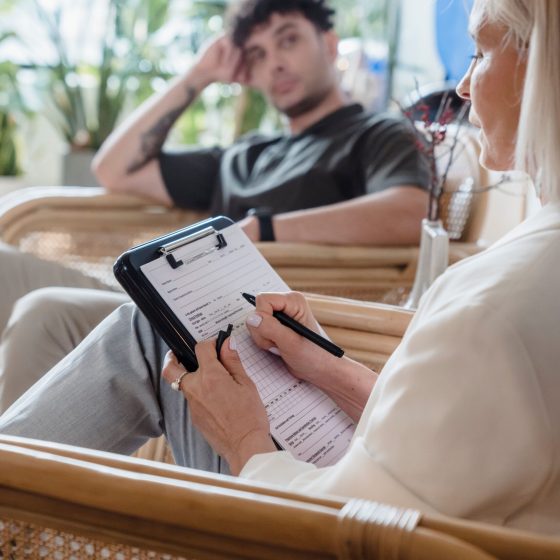
Who May Benefit From Residential Rehab?
There is no single profile of someone who needs residential addiction treatment.
Some patients enter residential care after completing medical detoxification. Others may be appropriate for residential treatment without first requiring detox. The appropriate starting point depends on the individual’s clinical needs and circumstances.
Residential rehab in Florida may be appropriate for adults who:
- Have been unable to stop or reduce alcohol or drug use on their own
- Have returned to substance use after previous attempts at recovery
- Need greater structure than outpatient treatment provides
- Experience strong triggers within their home or everyday environment
- Are struggling with substance use alongside mental health concerns
- Need time away from significant stressors or pressures to focus on treatment
- Have experienced increasing consequences related to alcohol or drug use
- Have difficulty maintaining recovery when returning to familiar routines
- Would benefit from consistent access to a multidisciplinary treatment team
- Need additional time to develop coping strategies and recovery skills before returning to greater independence
The decision to enter residential treatment should be based on clinical need rather than whether someone believes their situation is “bad enough.” If you are unsure what level of care you need, our admissions team can help you begin that conversation.
What Happens in Residential Addiction Treatment?
Residential treatment creates structure around the work of recovery.
Patients participate in individual and group therapy, psychiatric and medical services, recovery education, wellness activities, skill development, and other therapeutic interventions based on their individual treatment plans.
Evidence-based and trauma-informed approaches may include:
- Cognitive Behavioral Therapy (CBT)
- Dialectical Behavior Therapy (DBT)
- Motivational Interviewing (MI)
- Eye Movement Desensitization and Reprocessing (EMDR)
- Trauma-focused therapies
- Mindfulness-based interventions
- Structured relapse-prevention planning
- Individual therapy
- Group therapy
- Psychiatric care
- Medication management when clinically appropriate
- Medication-Assisted Treatment (MAT) when clinically appropriate
- Wellness and recovery skill development
Treatment is not limited to what happens during a therapy session. Daily interactions, emotional responses, relationships with peers, participation in programming, and the challenges that emerge throughout residential care can provide valuable opportunities to understand patterns and practice new skills.
Treatment Begins With Understanding the Individual
Two people can use the same substance and require very different treatment. One person may be struggling primarily with alcohol use and chronic occupational stress. Another may be experiencing substance use alongside depression, grief, trauma, anxiety, relationship difficulties, or other concerns.
Treating them exactly the same would overlook important differences.
At Florida Treatment Centers at The Cape, treatment planning begins with comprehensive evaluation and multidisciplinary clinical input. Our team considers the patient’s substance use, medical and psychiatric needs, mental health, history, current circumstances, previous treatment experiences, relationships, strengths, challenges, and recovery goals.
That information helps establish an individualized plan rather than expecting the patient to fit into a standardized treatment experience. As treatment progresses, the plan can change with the patient.
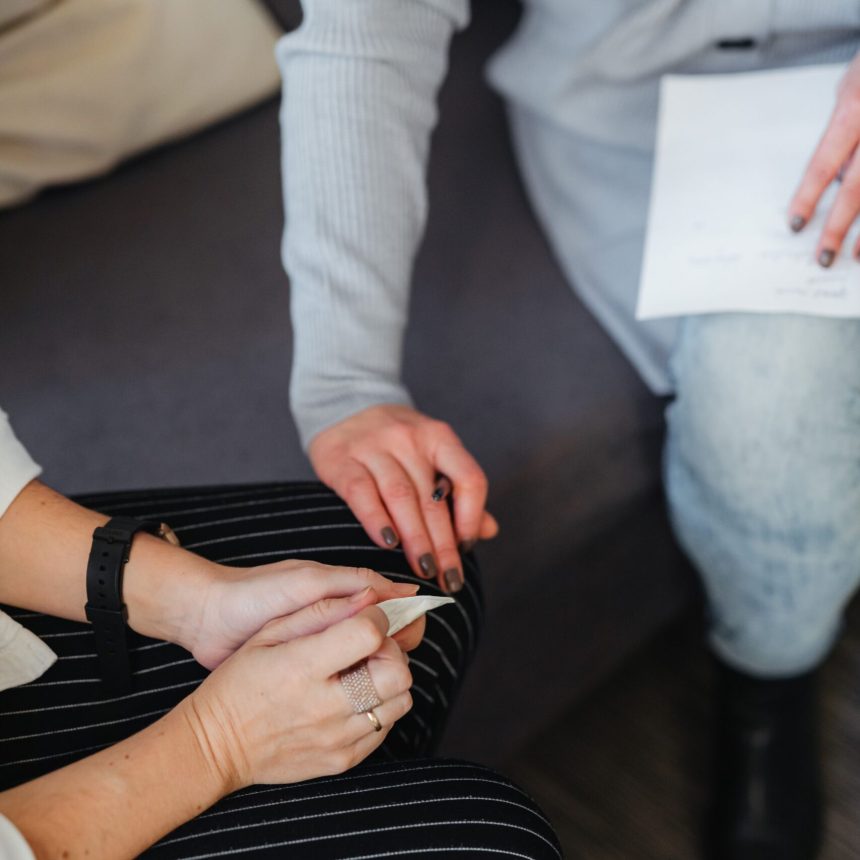
Residential Treatment for Substance Use and Co-Occurring Mental Health Concerns
Substance use does not always occur in isolation.
Some adults entering residential addiction treatment in Florida are also experiencing anxiety, depression, trauma-related symptoms, grief, chronic stress, or other mental health concerns. These experiences can influence substance use, and continued alcohol or drug use can make mental health symptoms more difficult to manage.
Florida Treatment Centers at The Cape provides integrated care for substance use and co-occurring mental health concerns.
Medical, psychiatric, and clinical professionals work collaboratively to develop a broader understanding of what the patient is experiencing. Treatment can then address the patterns and concerns that may affect recovery rather than focusing solely on stopping alcohol or drug use.
Patients do not need to arrive with every answer or diagnosis. Developing a clearer understanding of what they are experiencing is part of the treatment process.
A Low Patient-to-Therapist Ratio
Individualized treatment requires more than creating a personalized plan at admission.
It requires clinicians to know the people they are treating.
Florida Treatment Centers at The Cape maintains a low patient-to-therapist ratio so clinicians can remain closely connected to patient progress, emotional presentation, treatment engagement, challenges, and changing needs.
That clinical awareness extends beyond scheduled individual therapy. How a patient responds during groups, interacts with peers, manages frustration, communicates needs, and navigates the structure of residential treatment can provide important information.
Greater access to clinicians allows treatment to respond as those needs emerge.
Trauma-Informed Residential Treatment
Trauma may be an important part of someone’s history, but it should not automatically become the explanation for everything they are experiencing.
Our approach to residential addiction treatment is trauma-informed, meaning care recognizes the potential effects of difficult experiences while emphasizing safety, choice, collaboration, and respect.
When trauma-related concerns are clinically relevant, therapeutic approaches such as EMDR and other trauma-focused interventions may be incorporated into treatment based on the patient’s needs and readiness.
For other patients, different factors may require greater attention.
The purpose of trauma-informed treatment is not to define someone by what happened to them. It is to ensure those experiences are appropriately considered within the broader clinical picture.
Medication and Medication-Assisted Treatment
Medication may be one component of a comprehensive residential treatment plan.
Psychiatric medication management can be incorporated when clinically appropriate for patients experiencing co-occurring mental health concerns. Medication-Assisted Treatment (MAT) may also be considered when supported by medical or psychiatric evaluation and appropriate to the patient’s substance use and recovery needs.
Medication does not replace therapy, recovery skill development, or behavioral change.
When clinically indicated, it can complement those services as part of a broader treatment plan designed around the individual.
Specialized care for veterans & First responders
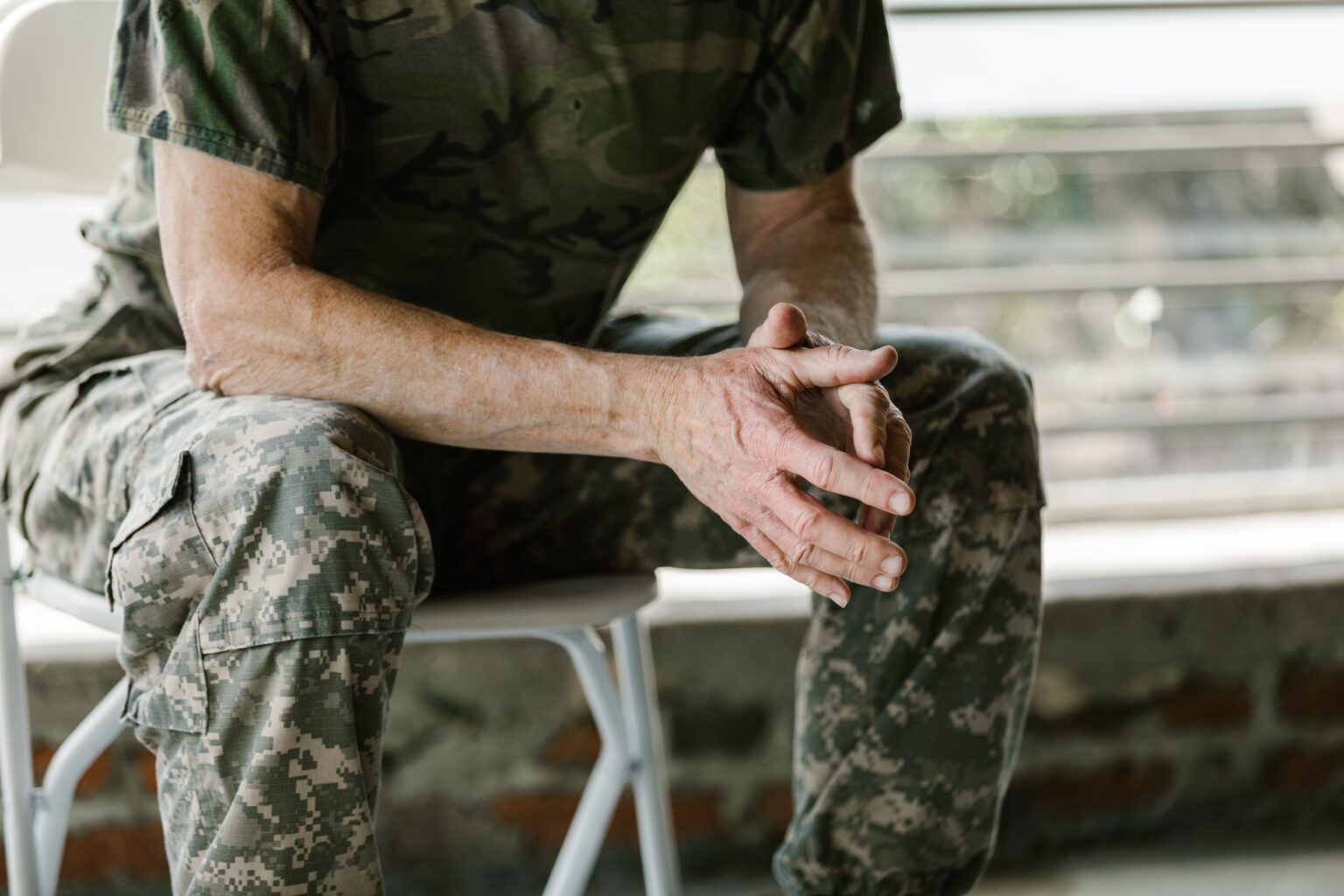
Veterans and First Responders seeking residential addiction treatment in Florida can participate in FTC’s dedicated Veterans & First Responders Track.
Military service, law enforcement, fire service, EMS, corrections, and other service-oriented professions can involve occupational stress, exposure to difficult events, disrupted sleep, high-stakes decision-making, and a culture of self-reliance. Those experiences do not affect every Veteran or First Responder in the same way.
Our specialized Track creates opportunities for connection with others who may understand aspects of service culture while maintaining individualized treatment focused on the needs of each patient.
How Long Is Residential Addiction Treatment?
One of the first questions patients and families often ask is how long residential treatment will last.
There is no single timeline that is appropriate for everyone.
At Florida Treatment Centers at The Cape, length of stay is informed by clinical needs, individual circumstances, progress, treatment goals, and readiness to transition into the next stage of care.
Someone who enters treatment may initially focus on a specific discharge date because of work, family, finances, or other responsibilities waiting at home. Those concerns are understandable, but recovery does not always follow a predetermined schedule.
The goal is to use the time in residential treatment meaningfully rather than make treatment decisions based solely on an arbitrary calendar date.
Preparing for Life Outside Residential Treatment
A successful residential experience is not measured only by how someone functions while surrounded by treatment and support.
Recovery needs to work when life becomes complicated again.
Throughout treatment, patients can begin identifying triggers, recognizing warning signs, developing healthier responses to stress, strengthening communication, improving emotional regulation, and creating strategies for situations that could challenge recovery after discharge.
Continuing care planning helps connect what happens during residential substance use treatment with what will be needed afterward.
Recommendations may include continued behavioral health treatment, individual therapy, psychiatric care, recovery support, community resources, family support, or other services appropriate to the patient’s needs.
The goal is not simply to leave residential treatment feeling better. It is to leave better prepared for what comes next.
What About My Family While I'm in Residential Treatment?
Entering residential treatment affects more than the person receiving care.
Patients may be concerned about a spouse or partner, children, parents, work, finances, or responsibilities they are temporarily leaving behind. Families may also have questions about communication, involvement in treatment, and what will happen when their loved one returns home.
When clinically appropriate and with necessary patient involvement and permissions, family participation can support education, communication, boundaries, relationship concerns, and preparation for life after treatment.
Recovery ultimately belongs to the patient, but healthier relationships and an informed support system can become important parts of moving forward.
Residential Addiction Treatment Along Florida's Gulf Coast
Florida Treatment Centers at The Cape is located in Port St. Joe, Florida, along the Gulf Coast.
Stepping away from familiar surroundings can provide distance from routines, environments, pressures, and triggers associated with substance use. That separation can give patients space to focus more intentionally on their health and treatment.
The coastal environment is not the treatment.
Clinical care remains at the center of the residential experience. The setting complements that work through opportunities for wellness, movement, mindfulness, outdoor experiences, and reflection.
The purpose of coming to The Cape is not to escape everyday life. It is to prepare more effectively for returning to it.
What Should I Bring to Residential Treatment?
Preparing for residential rehab can feel overwhelming, especially when someone is making arrangements quickly.
Before admission, our team can provide guidance about what patients should bring, what should remain at home, arrival expectations, medications, and other practical considerations.
You do not need to have every detail figured out before contacting us.
Our admissions team can help make the transition into treatment clearer so you can focus on the most important decision: beginning care.
Start Residential Addiction Treatment in Florida
If alcohol or drug use has become difficult to control, stepping away for residential treatment can create the structure and support needed to begin making meaningful changes.
Florida Treatment Centers at The Cape is fully licensed and currently accepting adult patients in Port St. Joe, Florida.
Our admissions team can answer questions about residential addiction treatment in Florida, learn more about what you or your loved one is experiencing, discuss payment and insurance options, and help determine whether residential care is an appropriate next step.
You do not have to wait until everything falls apart to ask for help.
ready for recovery?
Speak now to our compassionate and knowledgable admissions team.
850-753-2981
signature amenities
Speak now to our compassionate and knowledgable admissions team.
- Gulf Coast Setting
- Comfortable Rooms
- Chef-Prepared Meals
- Fitness & Wellness
- Outdoor Activities
arriving at the cape
Closest Airport
Orlando International Airport (MCO) -45 minutes
Transportation
Complicantary transportation available from MCO
Location
Oceanfront in Cocoa Beach. Private, peaceful, and discreet