When Someone You Love Is Struggling With Addiction
Watching someone you care about struggle with alcohol or drug use can leave you unsure of what to say, what to do, or when to step in. You may have tried having conversations, setting boundaries, offering support, making appointments, managing consequences, or convincing yourself that things will eventually get better.
Addiction affects more than the person using substances. Spouses, partners, parents, adult children, siblings, friends, and other loved ones can experience fear, frustration, anger, confusion, grief, and exhaustion as substance use begins affecting relationships and everyday life.
At Florida Treatment Centers at The Cape, we understand that families often need guidance too. You do not need to know exactly what type of treatment your loved one needs before reaching out. Our admissions team can listen to what has been happening, answer questions about treatment, and help you better understand the options available.
Sometimes the first step toward treatment begins with a family member making the call.
get help. start here.
Contact our admissions team and start your recovery journey at Florida Treatment Centers at The Cape

the cape experience
The environment supports recovery.
Florida Treatment Centers at The Cape is located along Florida’s Gulf Coast in Port St. Joe.
For some patients, leaving their usual environment creates meaningful distance from routines, pressures, relationships, and triggers associated with substance use.
The coastal setting can provide opportunities for movement, reflection, mindfulness, and time outdoors while patients focus more intentionally on recovery.
Specialized Care Starts With Understanding
How Do I Know If My Loved One Needs Treatment?
It is not always easy to determine when alcohol or drug use has progressed to the point where professional treatment should be considered. Some people experience obvious consequences, while others continue working, maintaining relationships, and fulfilling responsibilities even as substance use becomes increasingly difficult to control.
Family members are often among the first to recognize that something has changed. The individual struggling may minimize the problem, hide the extent of their substance use, or genuinely believe they still have control.
Signs that it may be time to seek professional guidance include:
- Repeated unsuccessful attempts to stop or reduce alcohol or drug use
- Changes in mood, behavior, personality, or communication
- Increasing secrecy or isolation
- Problems at work, school, home, or within important relationships
- Drinking or using substances despite negative consequences
- Changes in sleep, appetite, appearance, or physical health
- Using substances to cope with stress, trauma, anxiety, depression, grief, or other difficult emotions
- Financial, legal, or occupational consequences related to substance use
- Withdrawal symptoms or increasing tolerance
- Loss of interest in relationships, responsibilities, or activities that once mattered
- Family members changing their own behavior to manage or compensate for the person’s substance use
- Growing concern that the situation is becoming unsafe or unmanageable
You do not need to wait until every area of your loved one’s life has deteriorated before asking for help. If you are concerned, speaking with an admissions professional can help you better understand whether treatment should be considered.
What If They Don't Think They Need Help?
One of the most difficult situations families face is recognizing a problem before their loved one is ready to acknowledge it.
You cannot force another person to want recovery, but that does not mean there is nothing you can do. Families can learn more about addiction, evaluate how they have been responding to the situation, establish healthier boundaries, and become more intentional about how they communicate their concerns.
Try to approach conversations when your loved one is as clear-headed as possible rather than during an argument or while they are intoxicated. Focus on specific behaviors and concerns instead of accusations, labels, or attempts to prove that they have an addiction.
You may not receive the response you hope for immediately. A conversation can still create an opening that becomes important later.
Our admissions team can also speak with concerned family members before the individual seeking treatment contacts us. We can help you understand the treatment options available at Florida Treatment Centers at The Cape and what the admissions process would involve if your loved one becomes willing to accept help.
Helping without taking responsibility for their recovery
You Can Support Recovery Without Carrying It Alone
When someone you love is struggling, the instinct to protect them can be powerful. Families may cover missed responsibilities, provide money, make excuses, solve problems, monitor behavior, or repeatedly intervene in an effort to prevent another consequence.
These actions often come from love and fear. Over time, however, family members can become so focused on managing another person’s substance use that their own well-being, relationships, and boundaries begin to suffer.
Supporting recovery is different from assuming responsibility for it. Families can offer encouragement, communicate concerns, establish boundaries, participate appropriately in treatment, and support healthy decisions. They cannot complete treatment or maintain recovery for another person.
Part of the recovery process can involve helping everyone affected by addiction develop healthier expectations and ways of relating to one another.

What Happens When My Loved One Enters Treatment?
Entering treatment can bring relief, but it can also create a new set of questions. Families often want to know what treatment will involve, how long their loved one will stay, whether they will be able to communicate, and what happens after treatment.
At Florida Treatment Centers at The Cape, care begins with comprehensive evaluation and individualized treatment planning. Our multidisciplinary team considers the patient’s substance use, medical and psychiatric needs, mental health, history, circumstances, strengths, challenges, and recovery goals when determining the appropriate treatment approach.
Treatment plans continue to evolve as the team observes progress and better understands the patient’s needs. Rather than defining treatment by a predetermined timeline, decisions about length of stay and transitions between levels of care are informed by clinical needs, progress, individual circumstances, treatment goals, and readiness for the next stage of recovery.
Our continuum includes Medical Detoxification, Adult Residential Treatment, Day/Night Programming (PHP), and Intensive Outpatient Programming (IOP), allowing patients to receive different levels of support as their recovery progresses.
Explore our programs
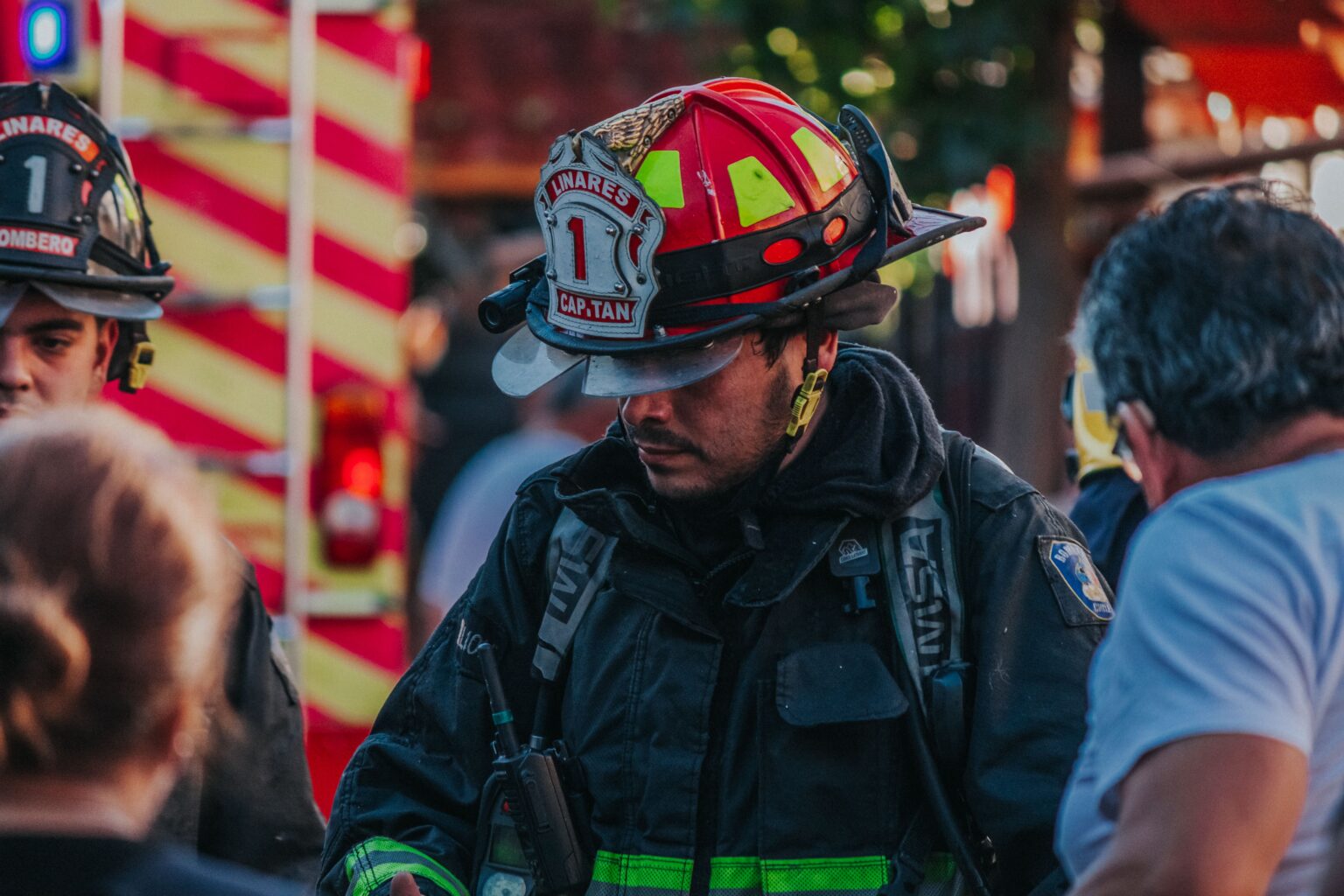
Specialized care for veterans & First responders
FTC’s approach to individualized treatment also shapes our Veterans & First Responders Track.
Veterans, law enforcement professionals, firefighters, EMS professionals, corrections professionals, and others in service-oriented careers may share aspects of occupational culture, but they do not share identical treatment needs.
Some may be affected by traumatic experiences. Others may be navigating chronic occupational stress, sleep disruption, grief, relationships, identity, transition from service, or concerns unrelated to their profession.
Our Track provides opportunities for shared connection and programming that understands the culture of service while ensuring each patient continues to receive individualized clinical care.
The profession provides context. It does not define the treatment plan.
Treatment That Looks Beyond Substance Use
Families often recognize that alcohol or drugs are only one part of what their loved one has been experiencing. There may also be grief, trauma, depression, anxiety, chronic stress, relationship difficulties, occupational pressure, or other concerns affecting emotional health and behavior.
Florida Treatment Centers at The Cape takes a comprehensive approach to treatment rather than focusing exclusively on stopping substance use. Medical, psychiatric, and clinical professionals work collaboratively to understand the patient’s needs and develop an individualized treatment plan.
Evidence-based and trauma-informed approaches may include Cognitive Behavioral Therapy (CBT), Dialectical Behavior Therapy (DBT), Motivational Interviewing (MI), Eye Movement Desensitization and Reprocessing (EMDR), mindfulness-based interventions, trauma-focused therapies, and structured relapse-prevention planning.
Medication and Medication-Assisted Treatment (MAT) may also be incorporated when clinically appropriate and supported by medical or psychiatric evaluation.
The goal is to help patients better understand the patterns affecting their recovery and develop healthier ways of responding to stress, emotions, relationships, and everyday challenges.
The Family's Role in Recovery
Family relationships can be an important source of support during recovery, but those relationships may also need time and attention to heal.
Substance use can affect communication, trust, responsibilities, finances, parenting, intimacy, and emotional safety. Family members may have adapted their lives around the addiction in ways they did not recognize while simply trying to keep things together.
When clinically appropriate and with the necessary patient involvement and permissions, family participation can support greater understanding of addiction and recovery. It can also create opportunities to address communication, expectations, boundaries, relationship concerns, and preparation for the patient’s return home or transition to the next stage of care.
Recovery does not require families to pretend the past did not happen. It can provide an opportunity to begin developing healthier ways of moving forward.
Rebuilding Trust Takes Time
Families frequently want to know when they should begin trusting their loved one again. There is rarely a simple answer.
Trust is generally rebuilt through consistent behavior over time rather than promises made during treatment. A person in early recovery may be making meaningful changes while family members are still carrying the effects of what happened before treatment began.
Both experiences can exist at the same time.
Patients can work toward accountability, healthier communication, and consistent recovery behaviors while loved ones are given space to establish boundaries and determine what they need to feel safe and supported. The goal does not have to be immediately returning a family to the way things were before. In many cases, recovery creates an opportunity to build healthier relationships moving forward.
Preparing for Life After Treatment
Completing a structured treatment program is an important milestone, but recovery continues afterward.
Returning home can mean returning to responsibilities, relationships, stressors, environments, and situations that were previously connected to substance use. Preparing for that transition is an important part of treatment.
Continuing care planning helps patients identify appropriate next steps, recovery resources, healthy routines, coping strategies, and sources of support. Families can also benefit from understanding what recovery may look like after treatment and how they can encourage progress without trying to control it.
Recovery is ultimately the patient’s responsibility, but a healthy and informed support system can make an important difference.

When Your Loved One Is a Veteran or First Responder
Families of Veterans and First Responders can face additional challenges when substance use occurs alongside the pressures and experiences associated with service.
Spouses and loved ones may notice changes in sleep, mood, communication, relationships, alcohol or drug use, or the person’s ability to disconnect from work. At the same time, the Veteran or First Responder may be reluctant to discuss what they have experienced or uncomfortable asking for help.
Florida Treatment Centers at The Cape offers a dedicated Veterans & First Responders Track that recognizes the culture and experiences associated with military service, law enforcement, fire service, EMS, corrections, and other service-oriented professions.
Treatment provides an opportunity to address substance use alongside trauma, occupational stress, mental health concerns, relationships, identity, and other factors that may be influencing recovery.
You Need Support, Too
Loving someone with a substance use disorder can consume an enormous amount of emotional energy. Over time, it can become easy to organize your own life around what the other person is doing, whether they are using, and what might happen next.
Supporting someone in recovery does not mean ignoring your own health or needs. Family members may benefit from counseling, peer support, education, healthy boundaries, and relationships with people who understand what it is like to love someone struggling with addiction.
Taking care of yourself is not abandoning your loved one. It can help you make clearer decisions, communicate more effectively, and participate in their recovery in a healthier way.
You Don't Have to Figure This Out Alone
You may not know whether your loved one needs detox, residential treatment, outpatient care, or something else. You may not know whether they will agree to treatment. You may simply know that what is happening now cannot continue.
That is enough reason to start a conversation.
Florida Treatment Centers at The Cape is fully licensed and currently accepting patients in Port St. Joe, Florida. Our admissions team can listen to your concerns, answer questions about treatment, discuss payment and insurance options, and help you understand what the next step could look like.
your new beginning
Starts Today
Florida Treatment Centers at the Cape provides addiction treatment and mental health care, at varrying levels of care, to all of those in need, regardless of journey.
ready for recovery?
Speak now to our compassionate and knowledgable admissions team.
850-753-2981
signature amenities
Speak now to our compassionate and knowledgable admissions team.
- Gulf Coast Setting
- Comfortable Rooms
- Chef-Prepared Meals
- Fitness & Wellness
- Outdoor Activities
arriving at the cape
Closest Airport
Orlando International Airport (MCO) -45 minutes
Transportation
Complicantary transportation available from MCO
Location
Oceanfront in Cocoa Beach. Private, peaceful, and discreet