Supporting Law Enforcement Through Connection and Access to Care
Law enforcement professionals spend their careers responding when others need help. Recognizing when they need support themselves can be considerably more difficult.
Florida Treatment Centers at The Cape values its relationship with the Texas Law Enforcement Peer Network and the important role peer connection can play in helping law enforcement professionals recognize concerns, talk with someone who understands the culture of the profession, and connect with appropriate resources.
Our organizations serve different roles, but the underlying goal is shared: helping law enforcement professionals know that support is available and creating stronger pathways to it when needed.
get help. start here.
Contact our admissions team and start your recovery journey at Florida Treatment Centers at The Cape
A Shared Commitment to Those Who Serve
Understanding the Culture of Law Enforcement
Law enforcement is more than an occupation for many of the people who serve. It can influence identity, relationships, community, routines, and the way someone responds to difficult situations.
Officers may encounter critical incidents, long or unpredictable shifts, disrupted sleep, repeated exposure to human suffering, organizational pressures, public scrutiny, and the responsibility of making consequential decisions under stress.
Those experiences do not affect every officer in the same way.
Some may experience trauma-related symptoms, chronic stress, anxiety, depression, burnout, relationship difficulties, sleep problems, or substance use concerns. Others may struggle with entirely different issues.
Understanding law enforcement culture means recognizing those possibilities without assuming that a profession or shared experience tells us everything about an individual.
Shared experience does not mean identical experience.
Why Peer Support Matters
Sometimes the first person a law enforcement professional is willing to talk to is another member of the profession.
Peer support can create an important connection between someone who is struggling and someone who understands aspects of the culture, expectations, language, and pressures associated with the work.
The Texas Law Enforcement Peer Network helps create opportunities for law enforcement professionals to connect with peers and access information and resources when additional support may be needed.
That connection can be especially valuable when stigma, concerns about professional identity, or a culture of self-reliance makes asking for help difficult.
Peer support and professional treatment serve different purposes. Strong connections between these resources can help individuals find the type and level of support appropriate for what they are experiencing.

the cape experience
The environment supports recovery.
Florida Treatment Centers at The Cape is located along Florida’s Gulf Coast in Port St. Joe.
For some patients, leaving their usual environment creates meaningful distance from routines, pressures, relationships, and triggers associated with substance use.
The coastal setting can provide opportunities for movement, reflection, mindfulness, and time outdoors while patients focus more intentionally on recovery.
When Substance Use Becomes Part of the Picture
Alcohol or drug use does not always begin as an obvious crisis.
For some law enforcement professionals, substances may gradually become a way to decompress after difficult shifts, sleep, manage stress, avoid uncomfortable emotions, or temporarily disconnect from experiences they do not want to revisit.
Over time, those patterns can change.
Alcohol or drug use may begin affecting physical health, mental health, relationships, work, sleep, judgment, or the ability to feel in control. Someone may recognize the problem but still hesitate to seek treatment because of concerns about what asking for help could mean personally or professionally.
A person does not have to wait until everything has fallen apart before considering treatment.
When substance use requires professional care, having a clear pathway to an appropriate treatment resource can make the next step easier to navigate.
A Treatment Resource for Law Enforcement Professionals
Florida Treatment Centers at The Cape provides addiction treatment for adults experiencing substance use disorders and co-occurring mental health concerns.
Our continuum includes:
Specialized care for veterans & First responders
FTC’s approach to individualized treatment also shapes our Veterans & First Responders Track.
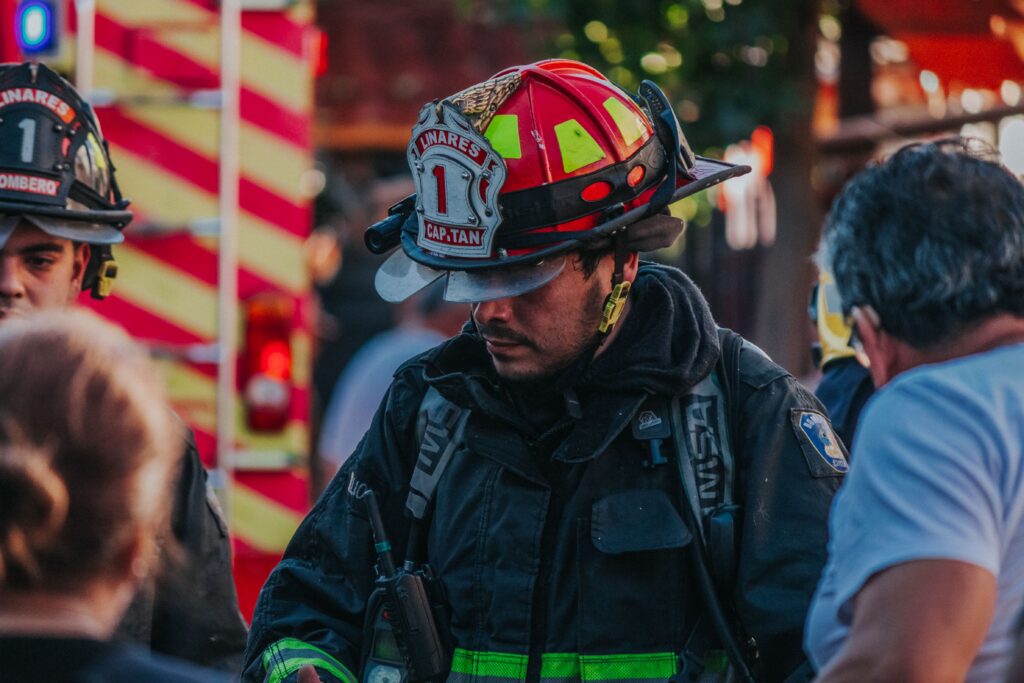
Veterans, law enforcement professionals, firefighters, EMS professionals, corrections professionals, and others in service-oriented careers may share aspects of occupational culture, but they do not share identical treatment needs.
Some may be affected by traumatic experiences. Others may be navigating chronic occupational stress, sleep disruption, grief, relationships, identity, transition from service, or concerns unrelated to their profession.
Our Track provides opportunities for shared connection and programming that understands the culture of service while ensuring each patient continues to receive individualized clinical care.
The Person Comes Before the Profession
Florida Treatment Centers does not assume that every law enforcement professional seeking addiction treatment has PTSD, that occupational trauma caused the substance use disorder, or that everyone from the profession needs the same type of treatment.
Instead, treatment begins by understanding the individual.
Clinical needs, substance use history, mental and physical health, relationships, occupational experiences, previous treatment, strengths, challenges, and recovery goals can all inform care.
When trauma is relevant, trauma-informed and trauma-focused approaches may become an important part of treatment. When other concerns are more significant, treatment should reflect those needs instead.
The goal is not to treat a profession. It is to understand the person who served within it.
Specialized Care Without Losing Individualized Care
There is value in being around people who may understand parts of an experience without requiring a lengthy explanation.
Within FTC’s Veterans & First Responders Track, that shared context can help create opportunities for connection while patients participate in individualized addiction treatment.
Depending on clinical need, treatment may incorporate evidence-based approaches such as Cognitive Behavioral Therapy (CBT), Dialectical Behavior Therapy (DBT), Motivational Interviewing (MI), EMDR, mindfulness-based interventions, trauma-focused therapies, relapse prevention, medical and psychiatric support, and other appropriate interventions.
A low patient-to-therapist ratio also allows clinicians to remain closely engaged with patients as treatment progresses.
Specialized programming provides context.
Individualized clinical care determines how that context is applied.
Creating Stronger Pathways to Treatment
A treatment center cannot serve someone who never finds a pathway to care.
That is one reason relationships between behavioral health providers, peer-support networks, public-safety organizations, clinicians, families, and community resources matter.
The relationship between Florida Treatment Centers at The Cape and the Texas Law Enforcement Peer Network reflects a shared interest in strengthening awareness of available support and helping law enforcement professionals connect with appropriate resources when needs arise.
For some people, peer support may be what they need.
For others, additional behavioral health services may be appropriate.
And when alcohol or drug use has reached the point where addiction treatment should be considered, Florida Treatment Centers at The Cape can help determine what level of care may be appropriate.
Support Should Not Begin Only in Crisis
Seeking help does not have to be reserved for the point when someone’s career, marriage, health, or life has reached a crisis.
Changes in drinking or drug use, difficulty cutting back, withdrawal symptoms, increasing isolation, changes in mood or behavior, deteriorating relationships, or relying on substances to manage stress can all be reasons to start asking questions.
Sometimes the first step is talking with a trusted peer.
Sometimes it is contacting a treatment professional.
What matters is creating enough connection between those resources that someone who is ready to ask for help knows where to turn next.
Supporting Those Who Serve
Florida Treatment Centers at The Cape is proud to build relationships with organizations working to support the health and well-being of law enforcement professionals and other First Responders.
Through education, professional relationships, peer connection, appropriate referrals, and access to treatment, we can help create clearer pathways for people who have spent their careers responding to the needs of others.
If you are a law enforcement professional concerned about your alcohol or drug use, a family member trying to help someone you love, or a peer-support professional looking for a treatment resource, our team is available to answer questions.
Florida Treatment Centers at The Cape is fully licensed and currently accepting adult patients in Port St. Joe, Florida.
your new beginning
Starts Today
Florida Treatment Centers at the Cape provides addiction treatment and mental health care, at varrying levels of care, to all of those in need, regardless of journey.
ready for recovery?
Speak now to our compassionate and knowledgable admissions team.
850-753-2981
signature amenities
Speak now to our compassionate and knowledgable admissions team.
- Gulf Coast Setting
- Comfortable Rooms
- Chef-Prepared Meals
- Fitness & Wellness
- Outdoor Activities
arriving at the cape
Closest Airport
Orlando International Airport (MCO) -45 minutes
Transportation
Complicantary transportation available from MCO
Location
Oceanfront in Cocoa Beach. Private, peaceful, and discreet