Community, Connection, and Support Beyond Clinical Treatment
Recovery can require different kinds of support at different points in a person’s life.
Professional treatment may address substance use, mental health, physical health, behavior, and other clinical needs. Peer and community resources can provide additional opportunities for connection, shared experience, encouragement, and purpose.
Florida Treatment Centers at The Cape values its relationship with REBOOT Recovery, a nonprofit organization providing faith-based programs and supportive communities for people navigating trauma and difficult life experiences.
While FTC and REBOOT Recovery serve different roles, both recognize an important principle: people should not have to navigate difficult experiences alone.
get help. start here.
Contact our admissions team and start your recovery journey at Florida Treatment Centers at The Cape
Care Works Better When We Work Together
Understanding the Role of REBOOT Recovery
REBOOT Recovery provides faith-based, peer-led programs designed to help people and families navigate trauma and difficult life experiences.
Its programs create opportunities for participants to connect with others, explore the impact of their experiences, strengthen relationships, and find support within a faith-centered community.
For some individuals, resources like these can become one component of a broader support system.
That support may exist alongside professional mental health services, addiction treatment, medical care, peer support, family involvement, or other resources based on what the individual needs.
The important distinction is that community support and clinical treatment do not need to compete with one another.
They can serve different purposes.
Trauma Does Not Affect Everyone the Same Way
People can experience difficult or potentially traumatic events in many different contexts.
Military service, public-safety work, loss, violence, accidents, family experiences, medical events, and other circumstances can leave lasting effects. But experiencing something difficult does not mean every person will respond in the same way or develop the same symptoms.
For some, trauma may affect sleep, relationships, emotional regulation, mental health, sense of safety, or substance use. Others may struggle more with grief, moral injury, isolation, identity, or questions about meaning and purpose.
And for some people seeking addiction treatment, trauma may not be the primary issue at all.
Recognizing those differences matters.
At Florida Treatment Centers at The Cape, trauma-informed care means remaining aware of how past experiences may affect a patient without assuming that trauma explains every person’s substance use or recovery needs.

the cape experience
The environment supports recovery.
Florida Treatment Centers at The Cape is located along Florida’s Gulf Coast in Port St. Joe.
For some patients, leaving their usual environment creates meaningful distance from routines, pressures, relationships, and triggers associated with substance use.
The coastal setting can provide opportunities for movement, reflection, mindfulness, and time outdoors while patients focus more intentionally on recovery.
When Substance Use Becomes a Clinical Concern
Community connection can be meaningful, but there are times when alcohol or drug use requires professional treatment.
A person may begin using substances to cope with stress, sleep difficulties, painful memories, grief, anxiety, or other uncomfortable experiences. Over time, what initially felt manageable can develop into a pattern that becomes increasingly difficult to control.
Signs that professional addiction treatment may need to be considered can include difficulty reducing or stopping substance use, withdrawal symptoms, increasing tolerance, continued use despite negative consequences, worsening physical or mental health, relationship problems, or repeatedly returning to alcohol or drugs despite wanting something to change.
Someone does not need to determine on their own whether those concerns meet the criteria for a substance use disorder.
A conversation with a treatment professional can help clarify what is happening and what type of support may be appropriate.
Different Resources for Different Needs
One of the most important parts of building a meaningful support system is recognizing that different resources serve different purposes.
Someone may benefit from:
- Community or peer support
- Faith-based resources
- Individual counseling
- Family support
- Psychiatric care
- Medical services
- Addiction treatment
- Recovery groups
- Continuing care resources
For some people, several of these resources may become part of recovery over time.
REBOOT Recovery’s faith-based community programming can provide a source of connection and support for individuals who find that approach meaningful.
Florida Treatment Centers at The Cape provides professional addiction treatment for adults whose substance use and related concerns require clinical care.
Understanding the difference helps people connect with resources that are appropriate for their needs.
Supporting Veterans & First Responders
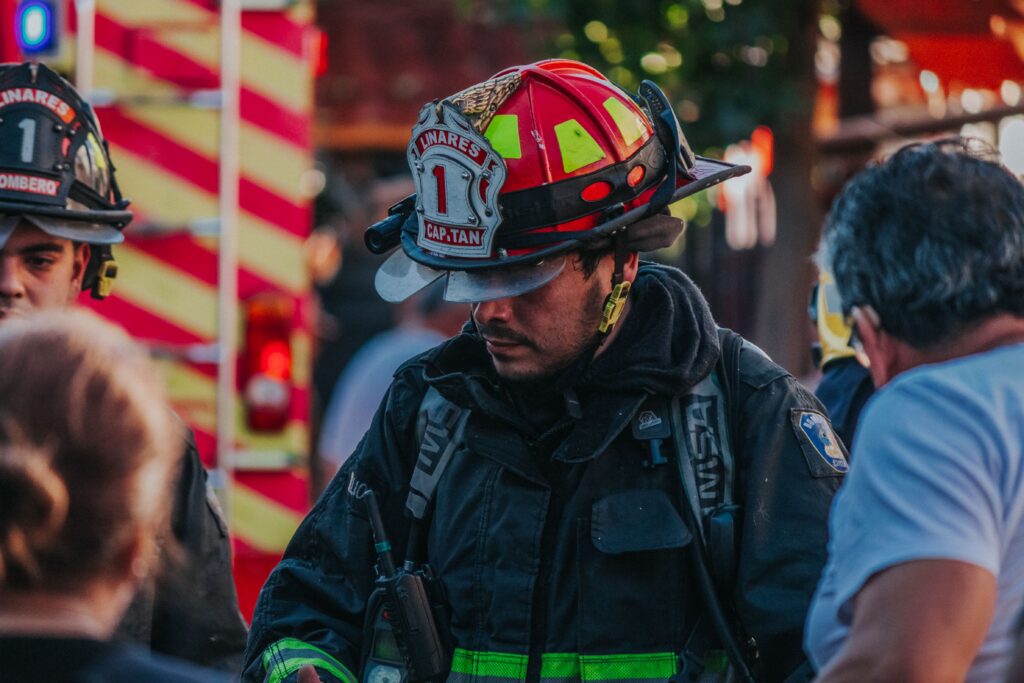
The connection between community support and professional treatment can be particularly important for Veterans and First Responders.
Military service, law enforcement, fire service, EMS, corrections, and other service roles can expose people to experiences that are difficult to explain to those outside those professions. Cultures of service and self-reliance can also influence how someone responds when they begin struggling.
Resources that create opportunities for connection can help reduce isolation and remind individuals that seeking support does not diminish the strength or commitment associated with service.
Florida Treatment Centers at The Cape provides a dedicated Veterans & First Responders Track for adults who need addiction treatment.
The Track considers service and occupational experiences when they are relevant while recognizing that each patient’s circumstances are different.
Shared experience does not mean identical experience.
Clinical Treatment Remains Individualized
When someone needs addiction treatment, understanding the person is more important than making assumptions about what caused the substance use.
At FTC, treatment considers substance use patterns, mental and physical health, relationships, previous treatment, life experiences, current circumstances, strengths, challenges, and recovery goals.
Depending on clinical need, care may incorporate Cognitive Behavioral Therapy (CBT), Dialectical Behavior Therapy (DBT), Motivational Interviewing (MI), EMDR, trauma-focused therapies, mindfulness-based interventions, relapse prevention, medical and psychiatric support, and other appropriate interventions.
Trauma can be addressed when it is clinically relevant.
Faith and spirituality may also be meaningful sources of strength for some individuals. Those beliefs are personal, and treatment should respect the values and preferences of the person receiving care rather than assuming that one approach is appropriate for everyone.
Recovery Continues Beyond Treatment
Completing a level of addiction treatment does not mean the work of recovery is complete.
Patients eventually return to families, workplaces, communities, responsibilities, relationships, and everyday stress. Having meaningful sources of connection outside a treatment setting can become an important part of maintaining progress.
Those supports will look different from person to person.
For some, continuing therapy may be particularly important. Others may rely heavily on recovery communities, family relationships, peer support, faith communities, or other resources that reinforce the life they are building.
Community organizations such as REBOOT Recovery can be part of the broader landscape of resources available to individuals and families seeking connection and support.
At FTC, continuing care planning focuses on helping patients identify resources appropriate for their individual recovery needs.
Because recovery should not depend exclusively on the structure of a treatment center.
Supporting Families
Difficult experiences, mental health concerns, and substance use can affect relationships as well as individuals.
Spouses, partners, parents, children, and other loved ones may experience fear, frustration, uncertainty, grief, or changes in family dynamics. They may also be trying to support someone without knowing what is helpful or where their own support should come from.
Community and faith-based resources may offer some families additional opportunities for connection and encouragement.
When a person is receiving treatment at FTC, family involvement may also become part of care when clinically appropriate and with necessary patient involvement and permissions.
Supporting recovery can include helping families understand that they may need resources of their own.
Building Connections Across Recovery Communities
No single organization needs to be everything to everyone.
Clinical treatment providers, community organizations, faith communities, peer-support networks, therapists, medical professionals, families, and recovery groups can all contribute different forms of support.
Strong relationships among those resources can make it easier for people to find help appropriate to where they are and what they need.
Florida Treatment Centers at The Cape values its relationship with REBOOT Recovery as part of that broader commitment to connection, community, and access to resources.
Our roles may be different.
The opportunity to help people find meaningful support is shared.
Finding the Right Kind of Support
If you are looking for faith-based community resources related to trauma and difficult life experiences, you can learn more about the programs available through REBOOT Recovery.
If alcohol or drug use has reached a point where professional addiction treatment may be necessary, Florida Treatment Centers at The Cape can help you understand treatment options.
your new beginning
Starts Today
Florida Treatment Centers at the Cape provides addiction treatment and mental health care, at varrying levels of care, to all of those in need, regardless of journey.
ready for recovery?
Speak now to our compassionate and knowledgable admissions team.
850-753-2981
signature amenities
Speak now to our compassionate and knowledgable admissions team.
- Gulf Coast Setting
- Comfortable Rooms
- Chef-Prepared Meals
- Fitness & Wellness
- Outdoor Activities
arriving at the cape
Closest Airport
Orlando International Airport (MCO) -45 minutes
Transportation
Complicantary transportation available from MCO
Location
Oceanfront in Cocoa Beach. Private, peaceful, and discreet